Understanding Dietary Balance for Men
An educational resource exploring principles of nutrient variety, meal structuring, and mindful eating habits
Learn MoreIntroduction to Dietary Balance
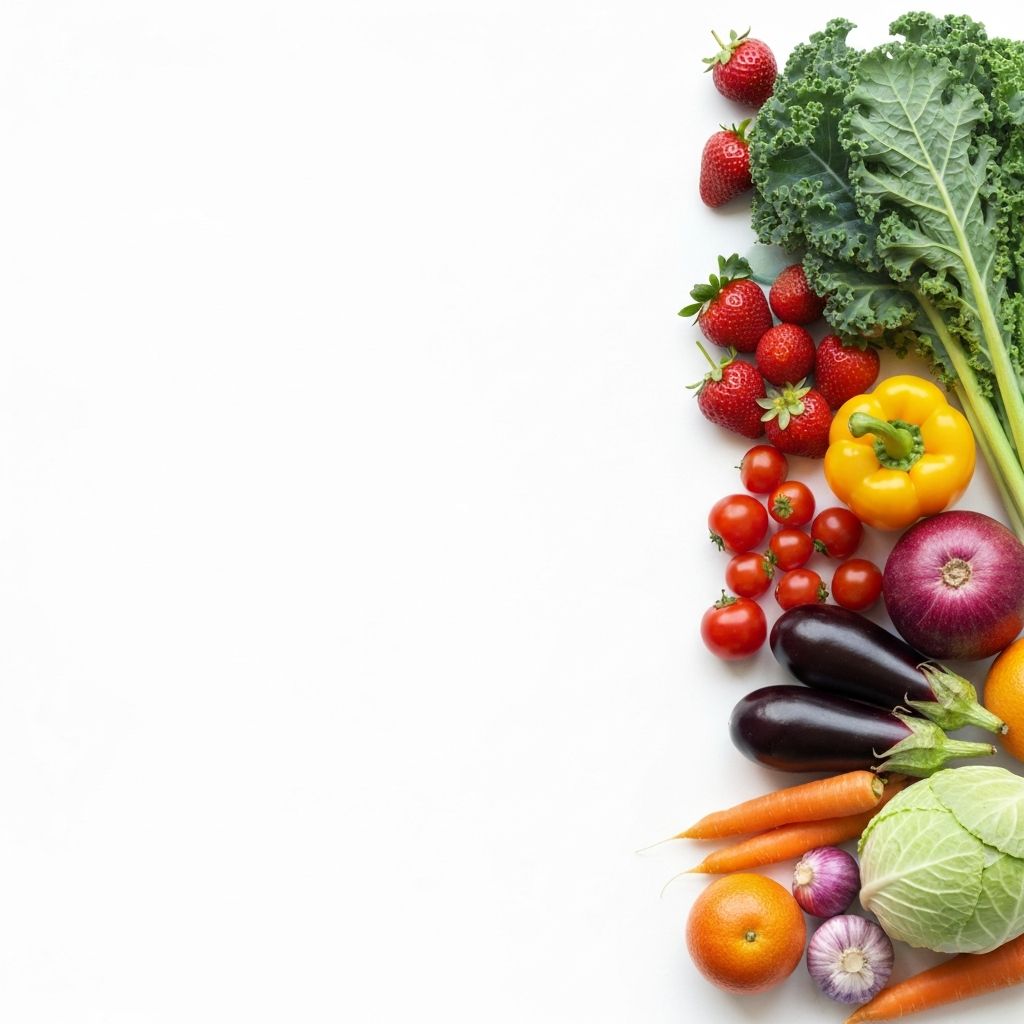
Dietary balance refers to the practice of consuming a variety of foods that together provide adequate amounts of nutrients necessary for maintaining health and supporting daily activities. This educational resource explores general concepts related to balanced eating patterns in men.
A balanced approach to eating typically involves understanding how different food groups contribute to overall nutrient intake. These include carbohydrates, proteins, fats, vitamins, minerals, and water. Each category plays specific roles in bodily functions.
The concept of dietary balance is not universal and varies based on individual circumstances, cultural practices, and personal preferences. This resource presents general educational information rather than personalized guidance.
Macronutrients Overview
Macronutrients are nutrients required in larger quantities and include carbohydrates, proteins, and fats. Understanding their roles provides context for dietary planning.
Carbohydrates
Carbohydrates are organic compounds found in many foods and serve as a primary energy source. They are classified into simple carbohydrates and complex carbohydrates based on their chemical structure. Sources include grains, fruits, vegetables, and legumes.
Proteins
Proteins are composed of amino acids and are involved in numerous bodily functions including tissue structure and enzyme production. Dietary protein sources include animal products such as meat, fish, eggs, and dairy, as well as plant sources like beans, lentils, and nuts.
Fats
Dietary fats are a concentrated energy source and play roles in hormone production and nutrient absorption. They are categorized into saturated, monounsaturated, and polyunsaturated fats. Sources include oils, nuts, seeds, avocados, and fatty fish.
Micronutrients Overview
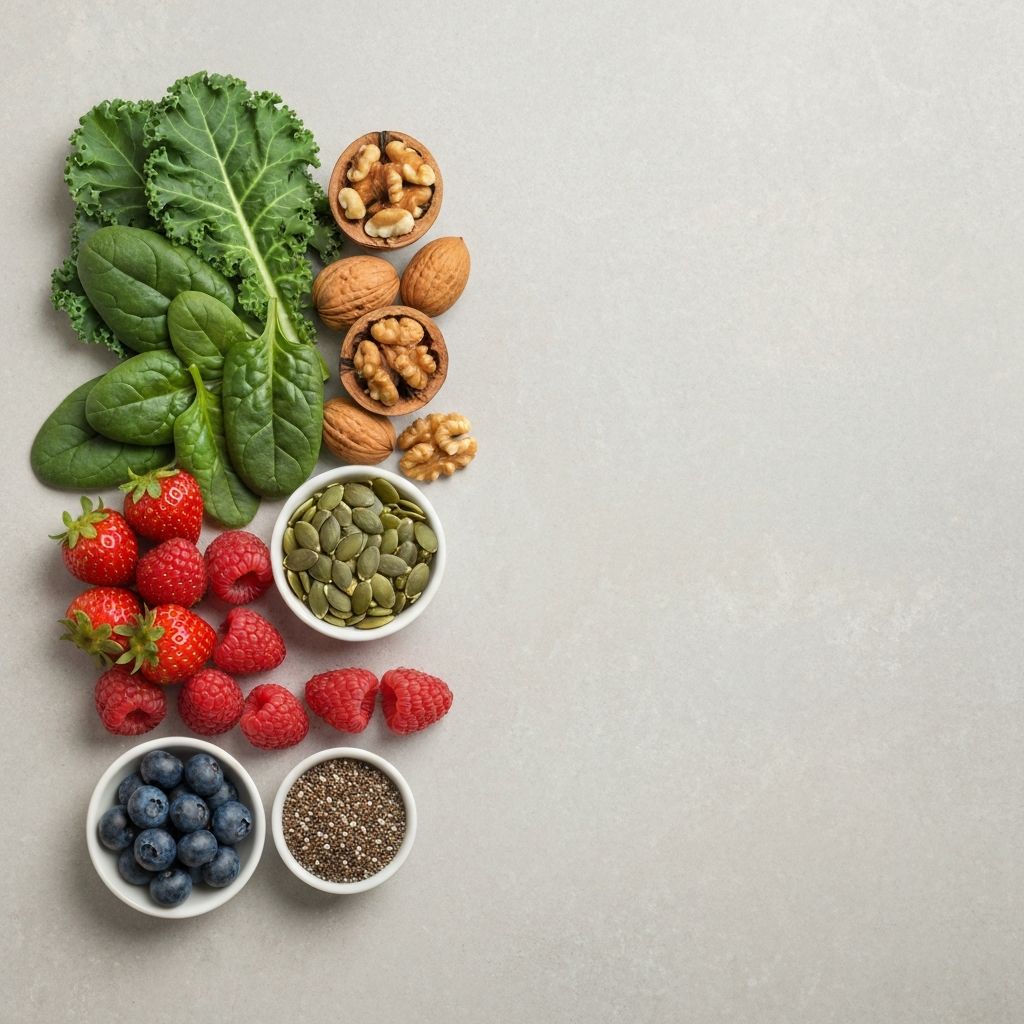
Micronutrients include vitamins and minerals required in smaller amounts but essential for various physiological processes.
Vitamins
Vitamins are organic compounds that support immune function, energy production, and other bodily processes. They are classified as water-soluble or fat-soluble. Common vitamins include vitamin A, B-complex vitamins, vitamin C, vitamin D, vitamin E, and vitamin K.
Minerals
Minerals are inorganic elements that contribute to bone health, fluid balance, and other functions. Important minerals include calcium, iron, magnesium, potassium, and zinc. These are obtained through varied food sources including dairy products, leafy greens, nuts, seeds, and whole grains.
Meal Planning Strategies
Meal planning involves organizing food choices ahead of time. This section presents general concepts related to structuring meals throughout the day.
Meal Frequency and Timing
Individuals adopt different patterns regarding meal frequency and timing. Some consume three main meals daily, while others prefer smaller, more frequent eating occasions. These patterns are influenced by lifestyle, work schedules, and personal preference.
Portion Awareness
Portion sizes refer to the amount of food consumed at a given time. Awareness of portions can be part of understanding overall dietary intake. Visual guides and measurement tools are sometimes used as reference points.
Food Variety
Consuming a wide range of foods from different categories may increase the likelihood of obtaining diverse nutrients. This involves incorporating various colors, textures, and types of foods into regular eating patterns.
Preparation Methods
How food is prepared can affect its nutrient content and caloric density. Common preparation methods include boiling, steaming, baking, grilling, and sauteing. Each method has different effects on the final product.
Food Sources and Categories
Understanding different food categories and their typical nutrient profiles provides context for dietary choices.
Vegetables
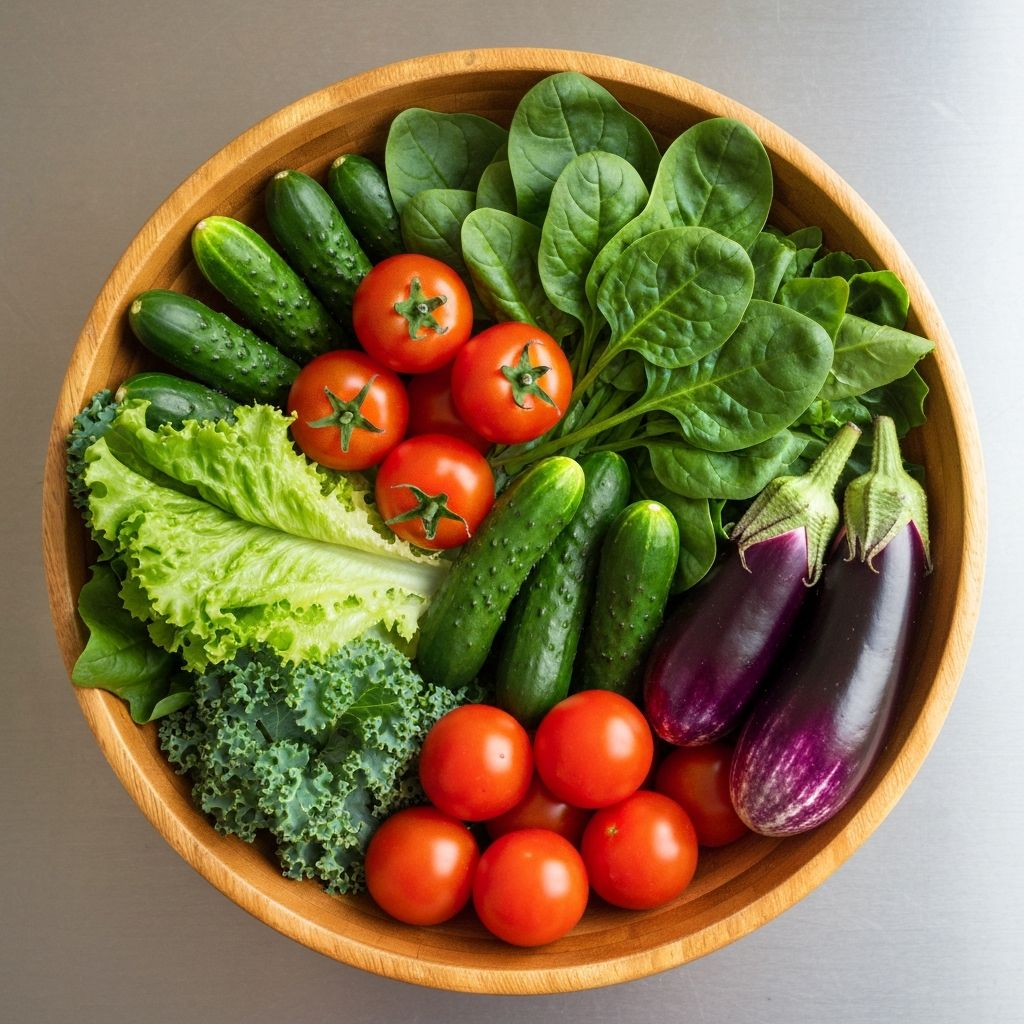
Vegetables are plant foods that typically contain vitamins, minerals, and fiber. They are categorized into groups such as leafy greens, root vegetables, and cruciferous vegetables. Examples include spinach, carrots, broccoli, and peppers.
Whole Grains
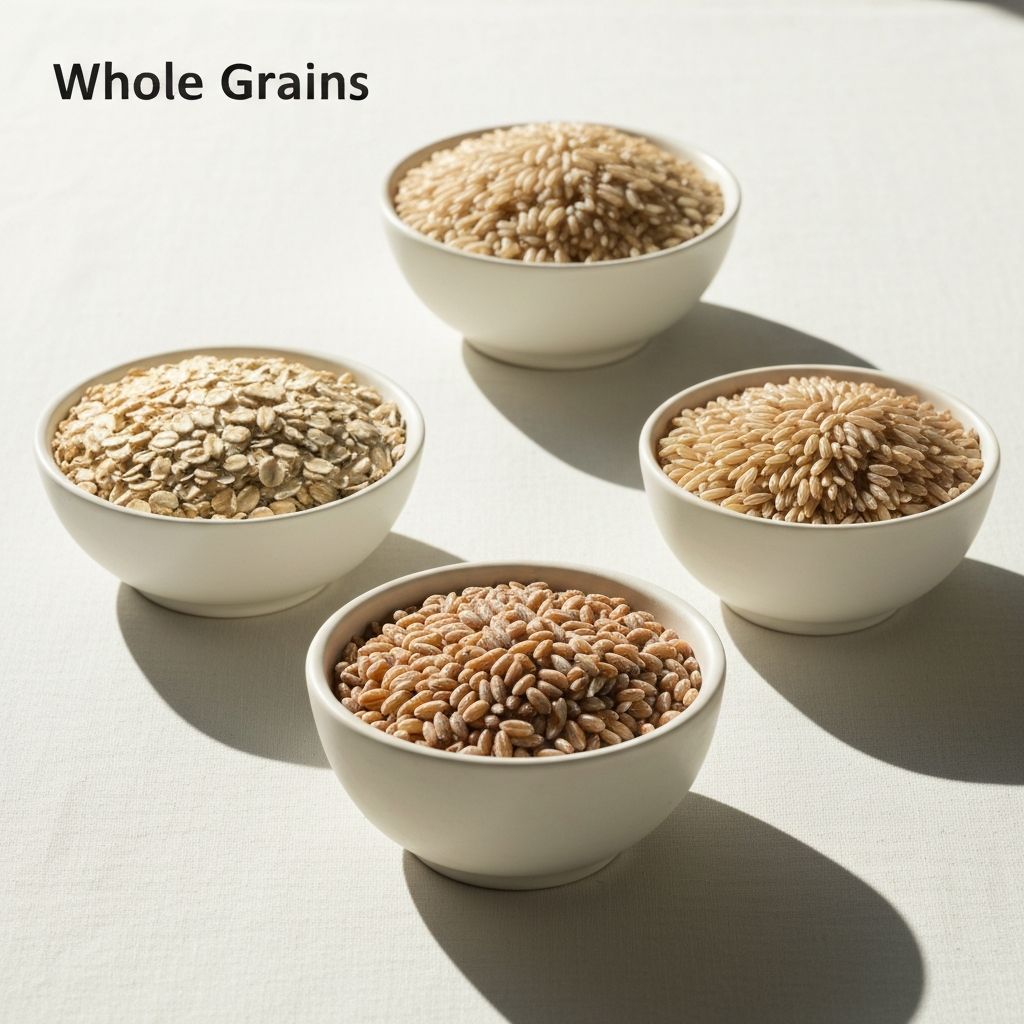
Whole grains contain all parts of the grain kernel and provide carbohydrates, fiber, and various micronutrients. Common examples include brown rice, oats, quinoa, and whole wheat. They differ from refined grains which have had some components removed.

Protein Sources
Foods high in protein include both animal and plant sources. Animal sources include fish, poultry, eggs, and dairy. Plant sources include legumes, tofu, tempeh, and certain grains. Each source provides different amino acid profiles.
Featured Food Categories
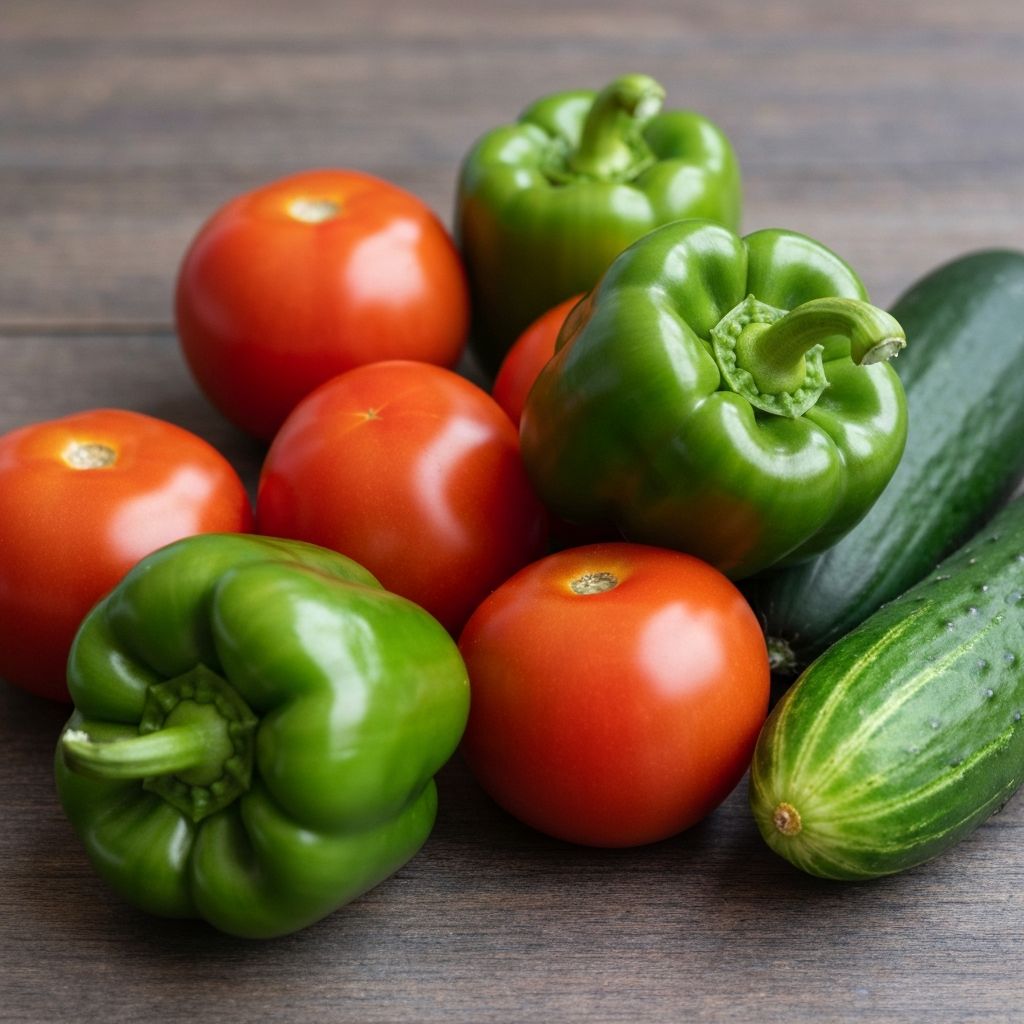
Fresh Seasonal Vegetables
Seasonal vegetables are those harvested during their natural growing period. They often have optimal flavor and nutrient content. Examples vary by region and climate but may include tomatoes, cucumbers, and peppers during warmer months.
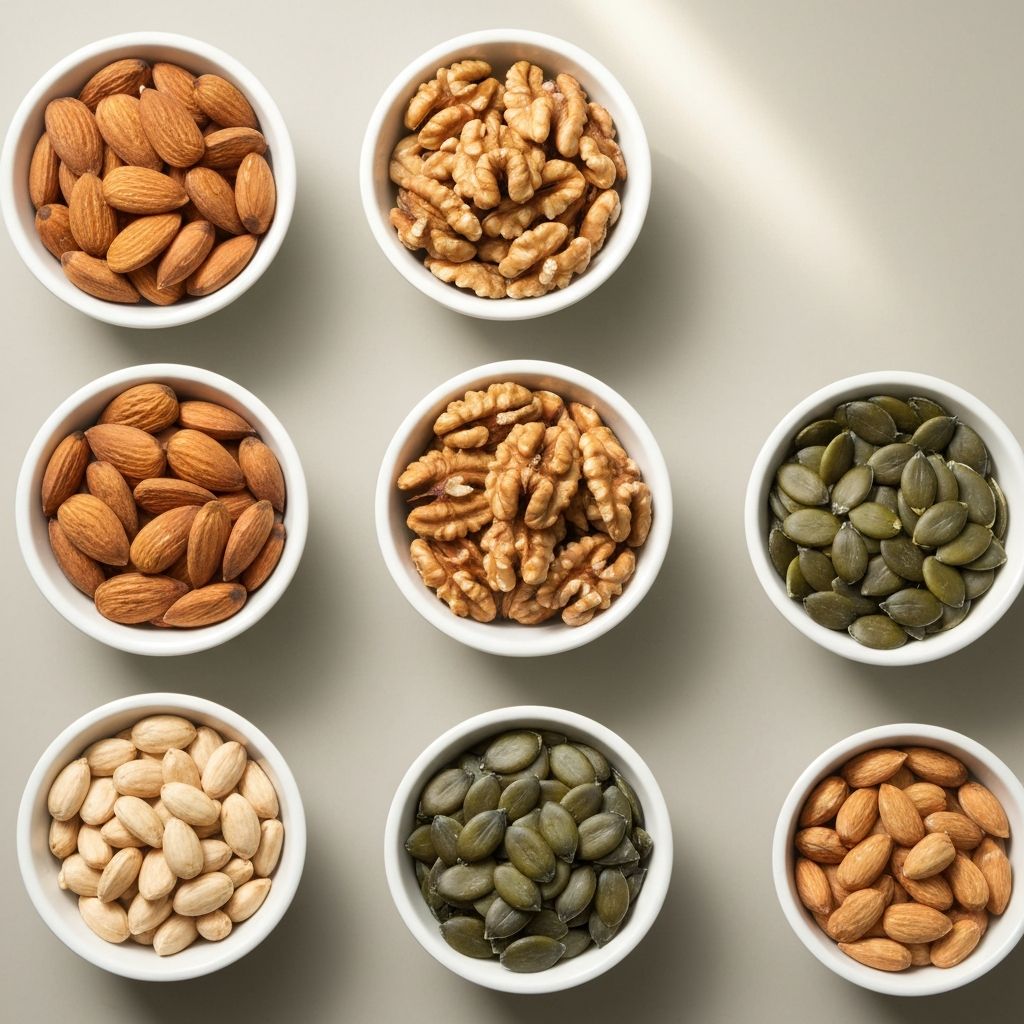
Nuts and Seeds
Nuts and seeds are nutrient-dense foods containing fats, proteins, and various micronutrients. Common varieties include almonds, walnuts, pumpkin seeds, and chia seeds. They can be consumed whole or incorporated into various dishes.

Fresh Fruits
Fruits provide natural sugars, vitamins, minerals, and fiber. Different fruits offer varying nutrient profiles. Berries are noted for certain compounds, while citrus fruits are known for vitamin C content. Seasonal availability affects selection.
Lifestyle and Activity Integration
Dietary patterns often intersect with physical activity levels and daily routines. This section explores general concepts related to these interactions.
Activity Levels
Physical activity levels vary widely among individuals and can be categorized broadly as sedentary, moderately active, or highly active. Activity type, duration, and intensity all influence energy expenditure.
Hydration
Water is essential for numerous bodily functions including temperature regulation and nutrient transport. Fluid needs vary based on factors such as climate, activity level, and individual physiology. Water is obtained through beverages and food.
Sleep and Recovery
Sleep patterns and recovery periods are components of overall lifestyle that may interact with dietary habits. Research has examined relationships between sleep duration, timing, and various health markers.
Stress and Eating Patterns
Psychological factors including stress can influence eating behaviors and food choices. Some individuals may experience changes in appetite or food preferences during periods of stress.
Science-Backed Insights

Nutritional science is an evolving field that investigates relationships between diet and health outcomes. This section presents general scientific concepts.
Nutrient Bioavailability
Bioavailability refers to the proportion of a nutrient that is absorbed and utilized by the body. Factors affecting bioavailability include food matrix, preparation methods, and individual digestive function.
Dietary Patterns Research
Research examines various dietary patterns such as Mediterranean, plant-based, and others. Studies investigate associations between these patterns and health markers, though results vary and are subject to ongoing investigation.
Individual Variation
Responses to dietary components vary among individuals due to genetic factors, gut microbiome composition, metabolic differences, and other variables. This variability underscores the complexity of nutrition science.
Common Misconceptions
Nutritional information in public discourse sometimes includes misconceptions or oversimplifications. This section addresses some common topics.
Single Food Solutions
Claims that individual foods or nutrients alone produce significant health outcomes often oversimplify complex dietary interactions. Overall dietary patterns and lifestyle factors are generally considered more relevant than single food items.
Universal Dietary Approaches
No single dietary approach is universally optimal for all individuals. Factors such as genetics, lifestyle, cultural background, and personal preferences influence what dietary pattern may be suitable for a given person.
Timing and Frequency Absolutes
While meal timing and frequency are topics of research, there is no absolute rule that applies to all individuals. Various eating patterns have been studied with mixed results.
Elimination Without Necessity
Excluding entire food groups without medical necessity may limit nutrient variety. Food intolerances and allergies are valid reasons for elimination, but such decisions are typically made based on individual circumstances.
Understanding Dietary Balance Through Visual Guides
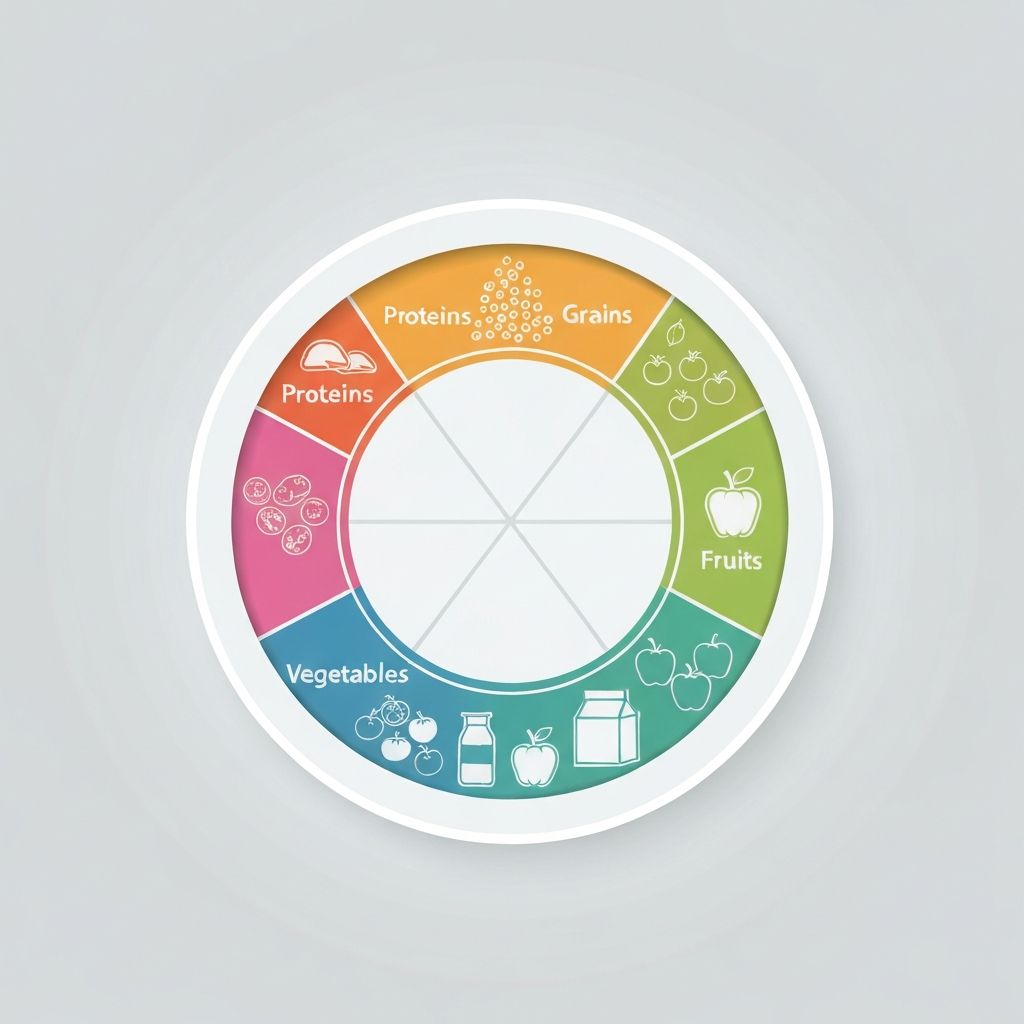
Visual representations such as plate models and food pyramids are educational tools used to illustrate concepts of dietary balance. These guides typically show proportions of different food groups.
Common plate models suggest dividing a plate into sections for vegetables, proteins, grains, and sometimes fruits. The exact proportions vary depending on the source and intended audience.
These visual aids serve as general educational references rather than precise prescriptions. They are intended to help individuals conceptualize variety and proportionality in food choices.
Continue Learning
This resource provides an overview of concepts related to dietary balance for educational purposes. Understanding these principles is an ongoing process that may evolve with new research and personal circumstances.
Readers interested in applying specific dietary changes to their own lives are encouraged to consult with qualified healthcare professionals who can provide personalized guidance.
Read More About This ResourceAdditional Resources

Learning about dietary balance can involve consulting various educational sources. Reputable sources include academic institutions, governmental health agencies, and peer-reviewed scientific publications.
When evaluating nutritional information, consider the source's credentials, whether claims are supported by evidence, and whether the information is presented in a balanced manner without commercial bias.
Continuing education in nutrition involves staying informed about current research while recognizing that scientific understanding evolves over time.
Limitations and Context
This website provides general educational information about dietary concepts and principles. The content is intended for informational purposes only and does not constitute medical advice, diagnosis, or treatment recommendations.
Individual nutritional needs vary based on numerous factors including age, health status, activity level, and other personal circumstances. This resource does not provide personalized dietary guidance.
Readers considering changes to their dietary patterns should consult with qualified healthcare professionals such as registered dietitians or physicians who can assess individual circumstances and provide appropriate guidance.
The information presented here represents general concepts from nutritional science and is not intended to replace professional consultation.